If you read my piece on the State of Franklin, you already met him briefly. John Sevier. Franklin’s governor. The man who kept a rebel state running for four years without federal approval.
But that was just the opening act.
Sevier’s story does not end with Franklin. It keeps going. And it keeps getting more interesting. He went on to become Tennessee’s first governor, a war hero, and one of the most consequential figures in early American history.
Most people have never heard his name. That needs to change.
He Was a Fighter Before He Was a Governor
John Sevier was born in the Shenandoah Valley of Virginia in 1745. He moved his family to what is now East Tennessee around 1773, when the region was still frontier territory. Not an established colony. Not safe. Just rugged mountain land that the new nation had not yet figured out what to do with.
Then came the Revolution.
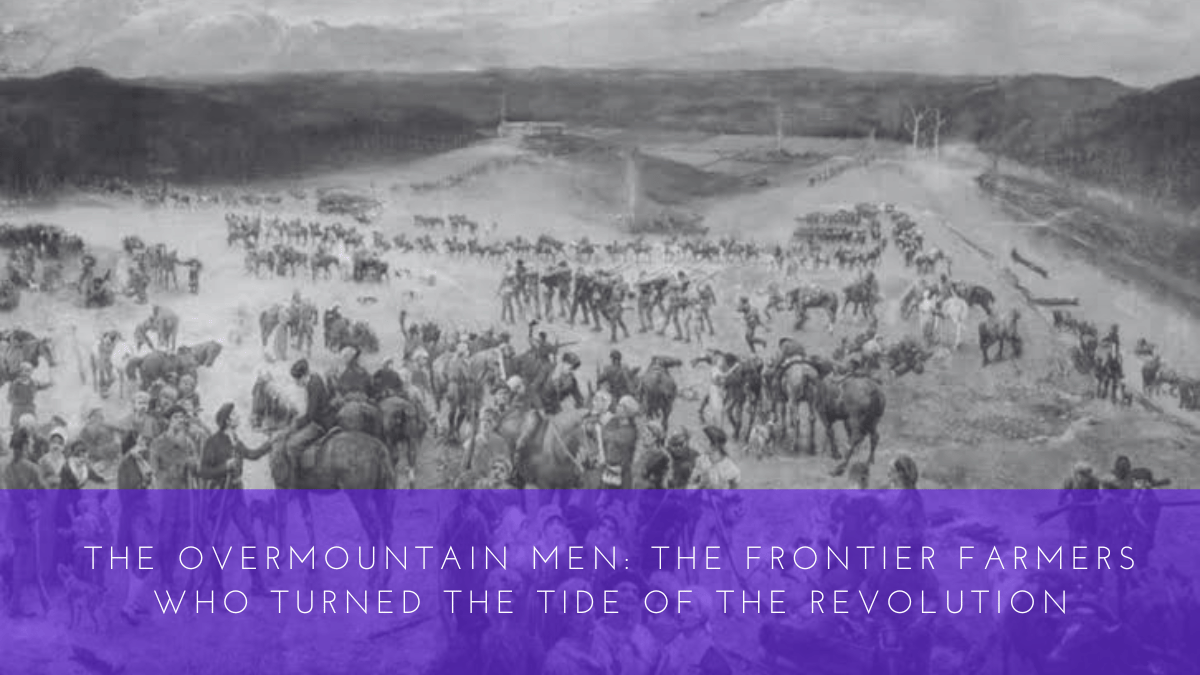
Sevier fought alongside frontier militia in some of the war’s most important battles. The one that matters most is the Battle of Kings Mountain in October 1780. A force of frontier riflemen, mostly from what is now East Tennessee and the Carolinas, defeated a British loyalist force on a hilltop in South Carolina.
It was a turning point. Historians credit Kings Mountain with stopping British momentum in the South and opening the path toward Yorktown and ultimate victory. Sevier was one of the commanders who made it happen.
Thomas Jefferson later called the Battle of Kings Mountain the turn of the tide of success. That is high praise. And Sevier was right in the middle of it.
Then He Tried to Build a State From Scratch
After the Revolution, North Carolina ceded its western lands to the federal government. The settlers living there felt abandoned. They did something bold.
They formed the State of Franklin in 1784 and elected John Sevier as their governor. No federal approval. No guarantee it would work. Just a community of settlers who decided to govern themselves.
I wrote about this in detail because it deserves the attention. Franklin was scrappy and brave and ultimately unsuccessful. But it shaped everything that came after. And Sevier led it.
When Franklin collapsed in 1789, Sevier did not disappear. He kept organizing, kept building relationships, and kept pushing for what the region needed.
He Became Tennessee’s First Governor
When Tennessee finally achieved statehood in 1796, the people knew who they wanted to lead it.
John Sevier became Tennessee’s first governor. He served three terms from 1796 to 1801. Then he stepped away, served in Congress, and came back to serve three more terms from 1803 to 1809. Six total terms as governor. That record stood for a very long time.
Think about that arc. He helped govern a state that did not officially exist. Then he helped create a real one. Then he led it for years.
That is not luck. That is conviction and follow-through.
He Was Not Without Controversy
I want to be honest here, because that is what good history requires.
Sevier spent decades fighting the Cherokee and other Native nations in the region. He led numerous campaigns that resulted in significant loss of life and displacement of Indigenous communities. That is part of his record, and it matters.
History is rarely clean. The same man who helped build Tennessee also participated in the violent dispossession of the people who had lived on that land for generations. Both things are true. We can acknowledge his role in Tennessee’s founding without erasing the cost of that founding for others.
Good history holds both.
He Died Still Working
John Sevier died in September 1815 in the Alabama Territory. He was on government business, surveying land for the United States. He was 70 years old and still at work.
He did not retire to a comfortable estate. He kept going until he could not.
That says something about the man.
Why He Matters to Tennessee’s Story
Tennessee’s history is full of unexpected connections and overlooked figures. I wrote about some of those unexpected connections to national events, and Sevier fits that pattern perfectly. He shaped events that went far beyond state lines.
But what draws me to him most is something simpler. He kept showing up. When the State of Franklin needed a leader, he led it. When Franklin failed, he did not quit. When Tennessee became a state, he was ready. When his time as governor ended, he went to Congress. When that was done, he came back and governed again.
He built two states. One that lasted a few years. One that is still here.
That is a remarkable life. One that more Tennesseans should know by heart.
Nicknames stick when they are earned. They called Sevier “Nolichucky Jack,” after the river near his home. It sounds right for a man who was always in motion, always near the current, always pushing forward.
Tennessee would not look the way it does without him. That feels worth saying out loud.